“Chance Made Playable: The Casino Games Compendium”
Casino games turn pure chance into a structured experience, giving players rules, rhythms, and a shared language of bets, spins, and table decisions. Whether you are curious about slot machines, drawn to the strategy of blackjack, or simply want to understand how odds shape every wager, a clear overview makes the entertainment easier to navigate. This compendium explores the major categories, the skills that matter, and the habits that keep play enjoyable.
Chance Made Playable: The Casino Games Compendium
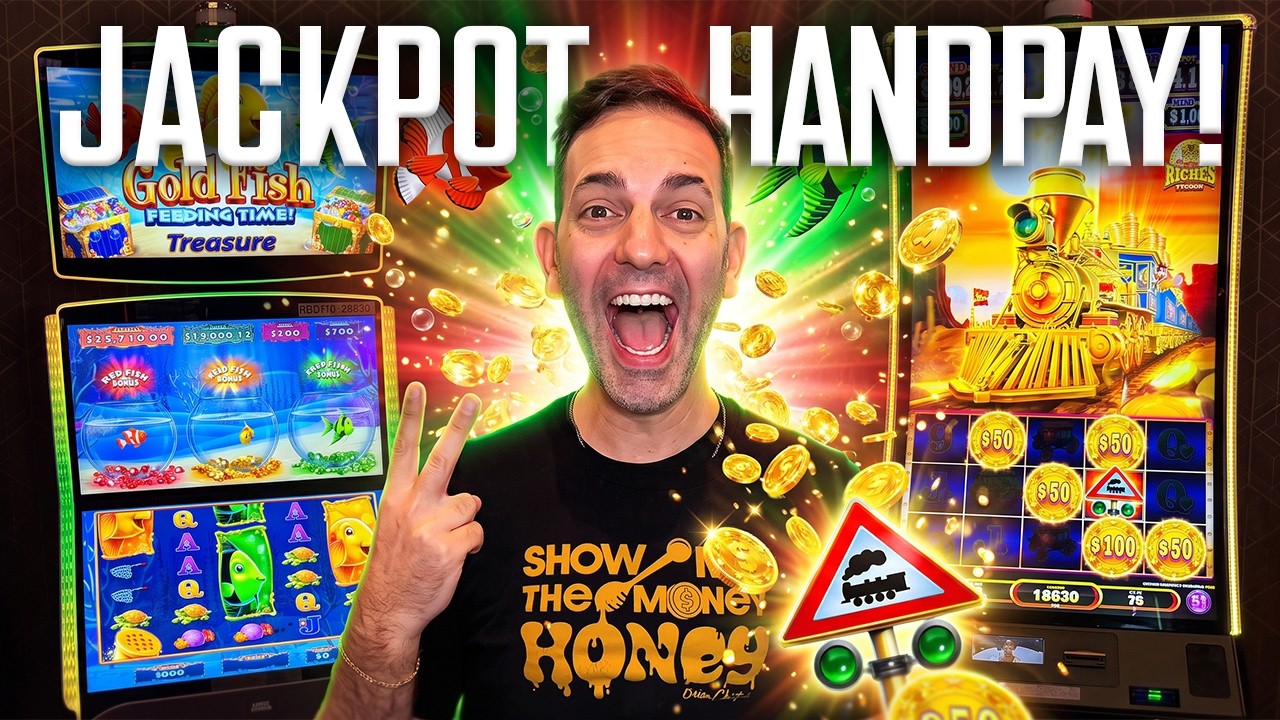
At first glance, casino games look like a single category: you place a bet, something random happens, and the result appears. In practice, the category splits into distinct families. Each family has its own pace, betting structure, and balance between luck and decision-making. Understanding those differences is the first step toward choosing a game that fits your mood and budget.
The Main Families of Casino Games
Most venues organize their offerings into a few recognizable groups. Slots rely on random number generators and pay according to paytables. Table games such as blackjack, roulette, and craps mix fixed rules with player choices. Card games like poker add competition against other players rather than the house. Live dealer formats recreate the table atmosphere through streaming video, while specialty games cover bingo-style options, keno, and instant-win titles.
- Slots: fast rounds, varied themes, and outcomes determined by random number generation.
- Blackjack: a card game where basic strategy can reduce the house edge.
- Roulette: a wheel-based game with outside bets for steadier pacing and inside bets for higher risk.
- Craps: a dice game with a lively table culture and many wager types.
- Poker: a skill-heavy contest where players compete against one another.
- Live dealer games: streamed tables that combine human dealers with digital betting interfaces.
The keyword for new players is fit. A game that feels confusing will not be enjoyable, no matter how favorable its theoretical return. Start with simple rules, low stakes, and short sessions. Once the flow feels natural, you can explore side bets, variants, and advanced strategies without losing sight of the entertainment.
Odds, House Edge, and Why They Matter
Every casino game has a mathematical structure. The house edge is the average advantage the operator holds over time, while return to player describes how much wagered money is paid back over a long cycle. These figures do not predict a single session. They describe patterns across thousands or millions of rounds. That distinction matters because short-term results are volatile, especially in games with high variance.
Blackjack with basic strategy generally offers a lower house edge than many slot machines. Roulette odds depend on the wheel layout, and craps includes bets with very different risk profiles. Slots vary widely by title and paytable. A responsible player checks the rules and payout information before betting, rather than relying on streaks or gut feelings.
Bankroll Habits That Keep Play Fun
A sensible bankroll plan is not about guaranteeing wins. It is about protecting the entertainment value of your time. Set a spending limit before you begin, keep it separate from essential money, and decide in advance how long you will play. Treat bonuses as part of the same plan. Offers such as no deposit bonus casinos can add extra playtime, but their terms, wagering requirements, and game restrictions deserve a careful read.
- Choose a fixed amount you can afford to lose without stress.
- Break that amount into session limits so one bad run does not end the fun.
- Check game rules, bet limits, and bonus conditions before playing.
- Take breaks, and stop when the session limit is reached.
- Avoid chasing losses or increasing bets to recover a previous result.

Skill Versus Luck
Casino games sit on a spectrum. Slots and roulette are almost entirely chance-based. Blackjack and video poker include decisions that can improve or worsen expected outcomes. Poker adds psychological and strategic layers because opponents, not the house, are the main challenge. Even in skill-friendly games, luck shapes individual sessions. The best approach is to learn the rules, practice with free versions when available, and accept that variance is part of the experience.

Frequently Asked Questions

Are casino games always determined by luck?
No. Many games include player decisions that affect the odds, but randomness still influences short-term results. Skill can improve expected outcomes without guaranteeing a win.
Which casino games are easiest for beginners?
Slots, roulette, and simple dice games are often easiest to start with because their rules are straightforward. Blackjack is approachable too, but it rewards learning basic strategy.

Can bonuses improve the experience?
Bonuses can extend playtime and let you try unfamiliar games. Read the terms first, especially wagering requirements and eligible games, and never treat a bonus as guaranteed profit.
What is the most important habit for players?
Setting a clear budget and time limit. Casino games are entertainment, and limits keep the activity within comfortable boundaries.
Casino games offer different paces, different mixes of luck and choice, and different ways to spend an evening. Learn the rules, respect the odds, and let the structure support the fun rather than replace it.